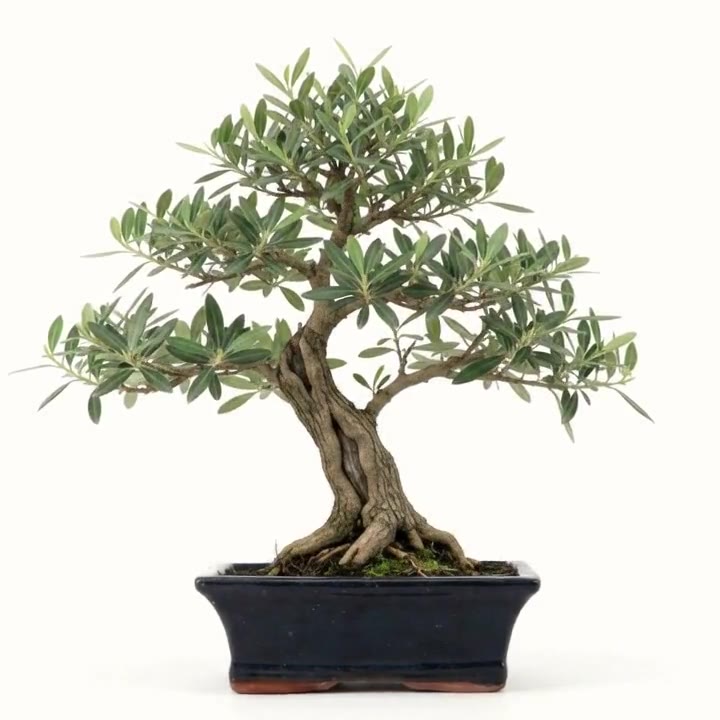
Olive
Olea europaea
It was domesticated some 6,000 years ago in the eastern Mediterranean from the wild olive, and it can live for more than a thousand years.
- Outdoors, sheltered
- Easy
- Mild frosts
One minute
A few quick questions about where you’ll keep it, your experience and your home. Then I’ll show you a few species: swipe right on the ones you like and left on the ones you don’t. At the end, your top three.
I’ll leave out species that are toxic to them.
Swipe: right if you like it, left if you don’t.
Olea europaea
It was domesticated some 6,000 years ago in the eastern Mediterranean from the wild olive, and it can live for more than a thousand years.
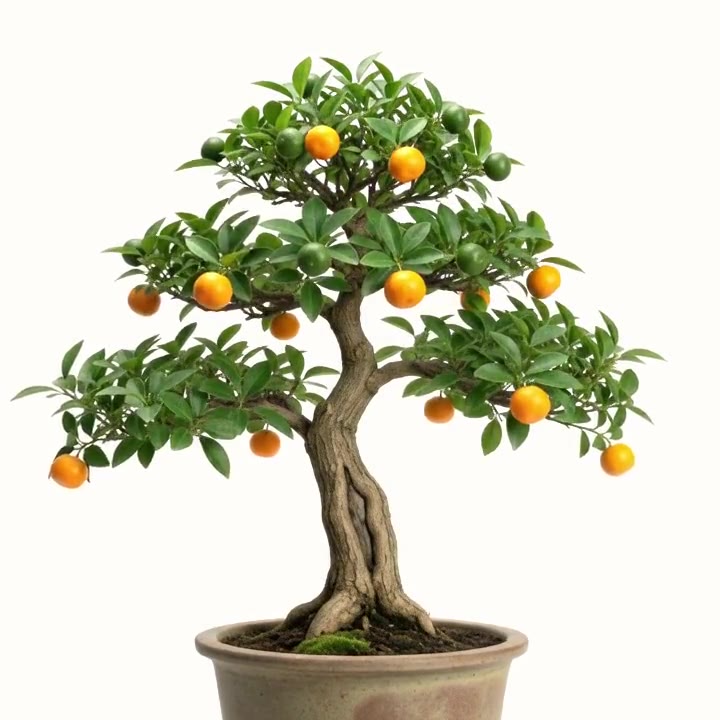
Citrus × aurantium var. myrtifolia
Its species name, myrtifolia, comes from its leaves, which look like those of the myrtle.
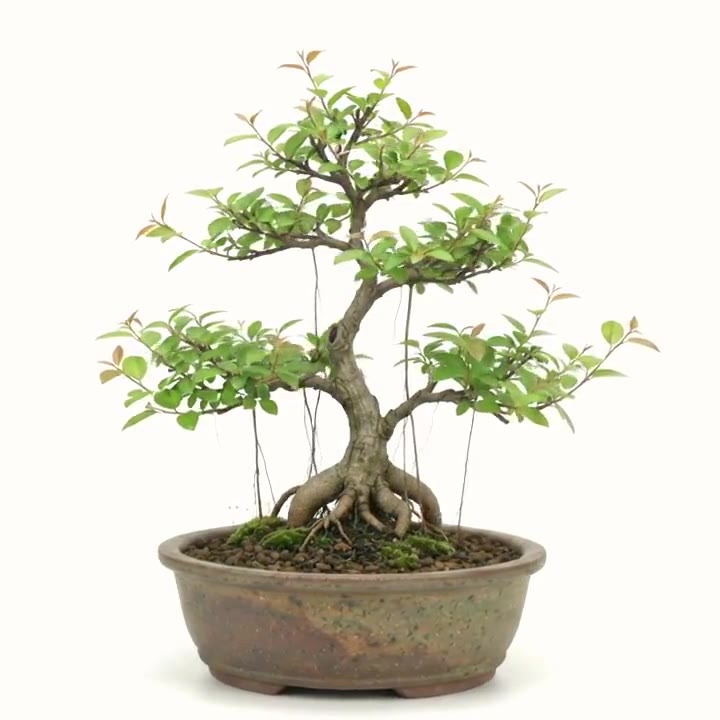
Ficus microcarpa
Almost all bonsai sold as «Ficus retusa» are actually Ficus microcarpa, a mix-up that goes back a century.
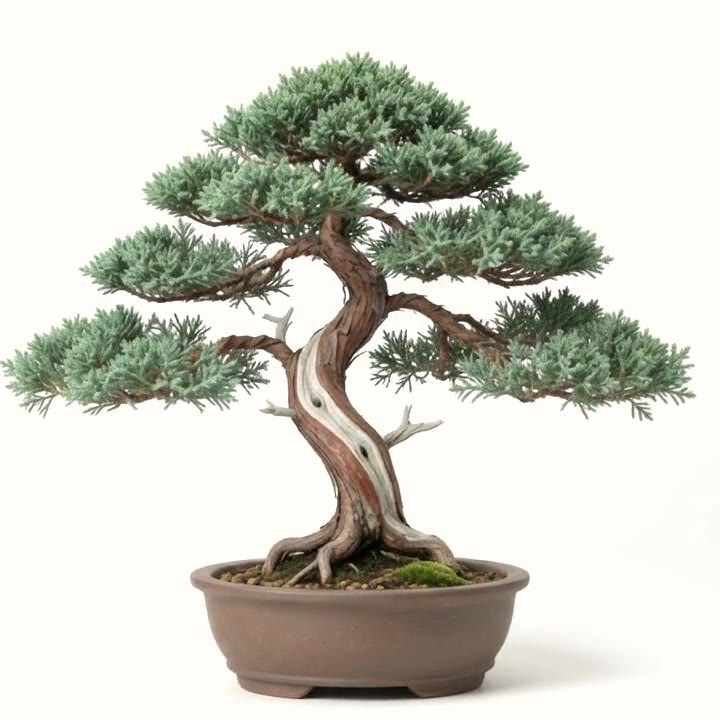
Juniperus chinensis
It is the most widely used conifer in bonsai. Shimpaku and its itoigawa variety come from it, collected for generations in the mountains of Japan.
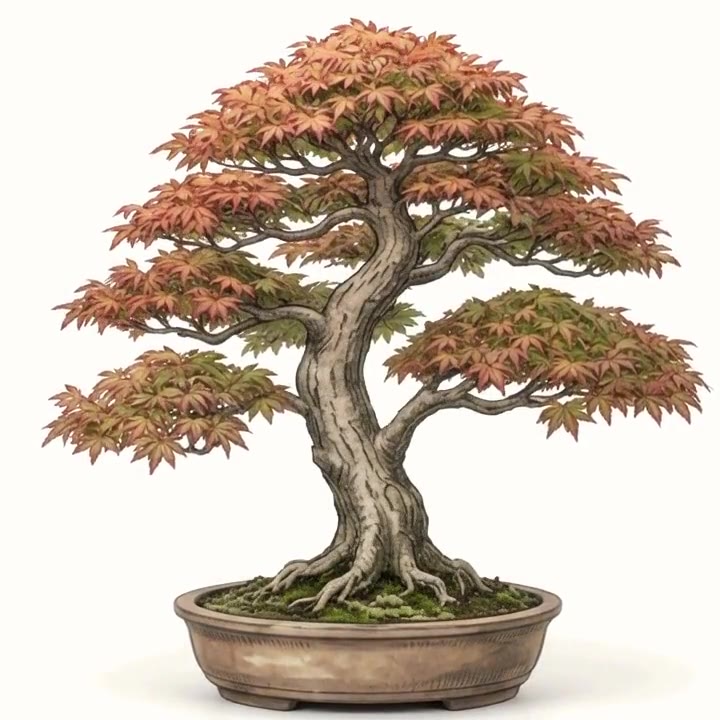
Acer palmatum
In Japanese it is called momiji, the same word used for the colour of the leaves in autumn.
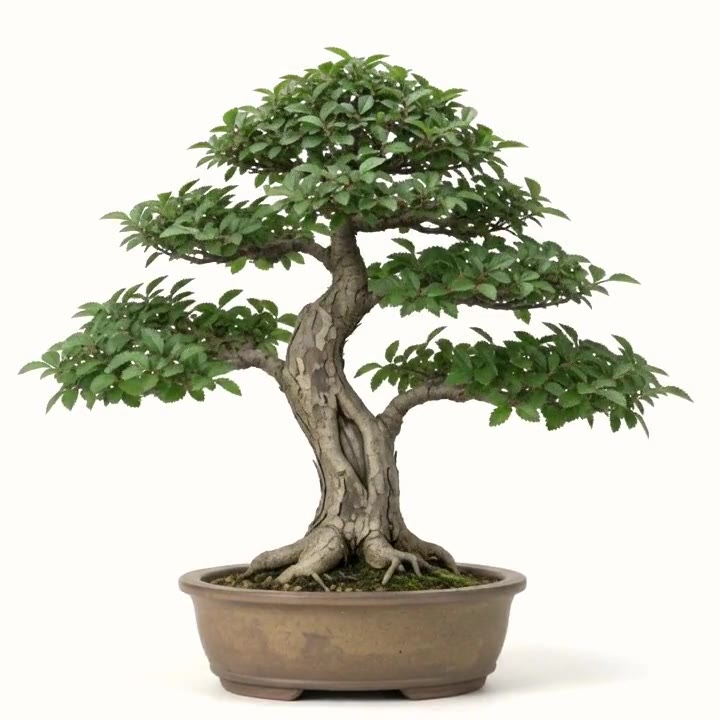
Ulmus parvifolia
Unlike almost all elms, it flowers in late summer rather than in spring.
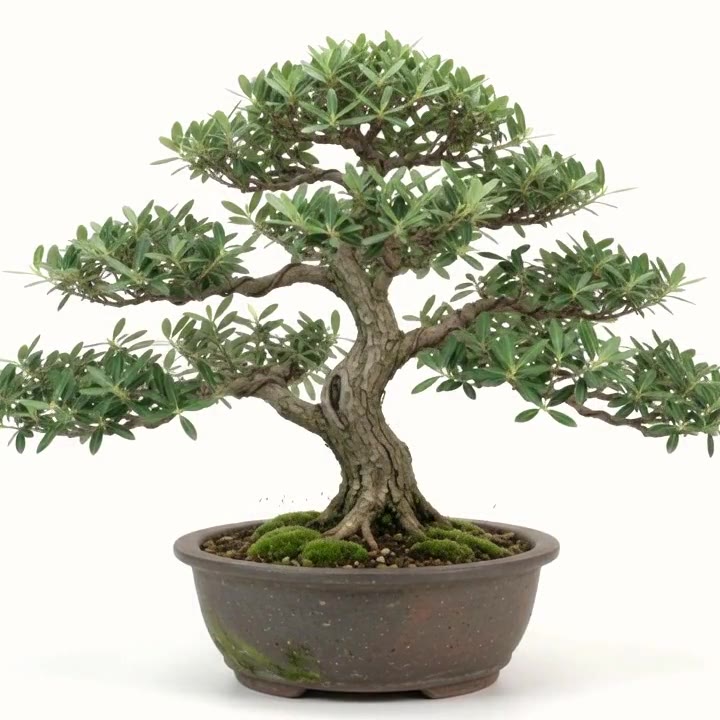
Olea europaea var. sylvestris
It is the wild olive, from which the cultivated olive descends.
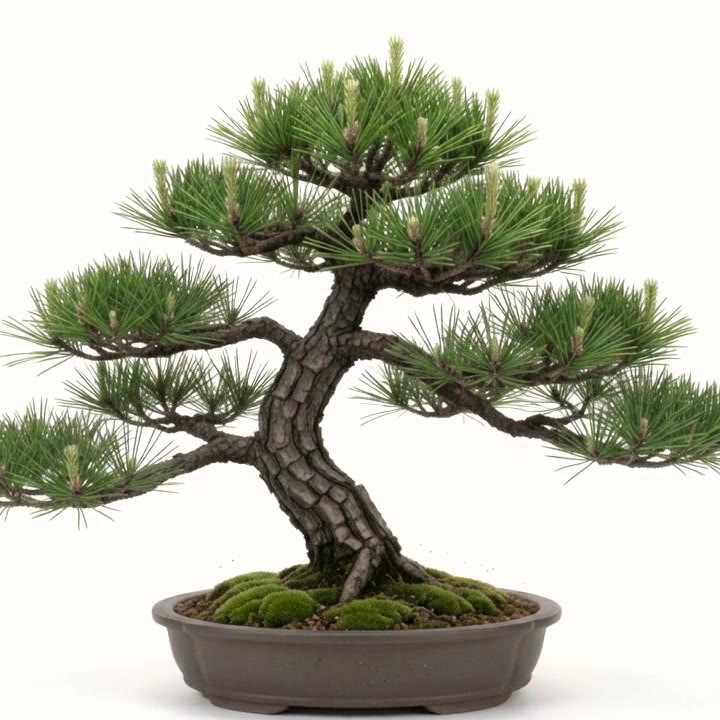
Pinus thunbergii
It is the most widely worked pine in bonsai.
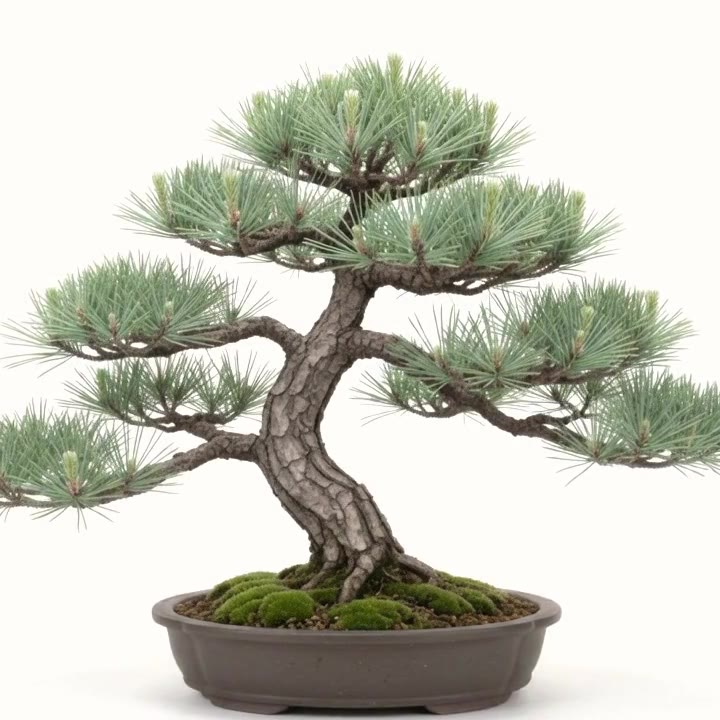
Pinus parviflora
In Japan it is called goyō-matsu, «five-needle pine».
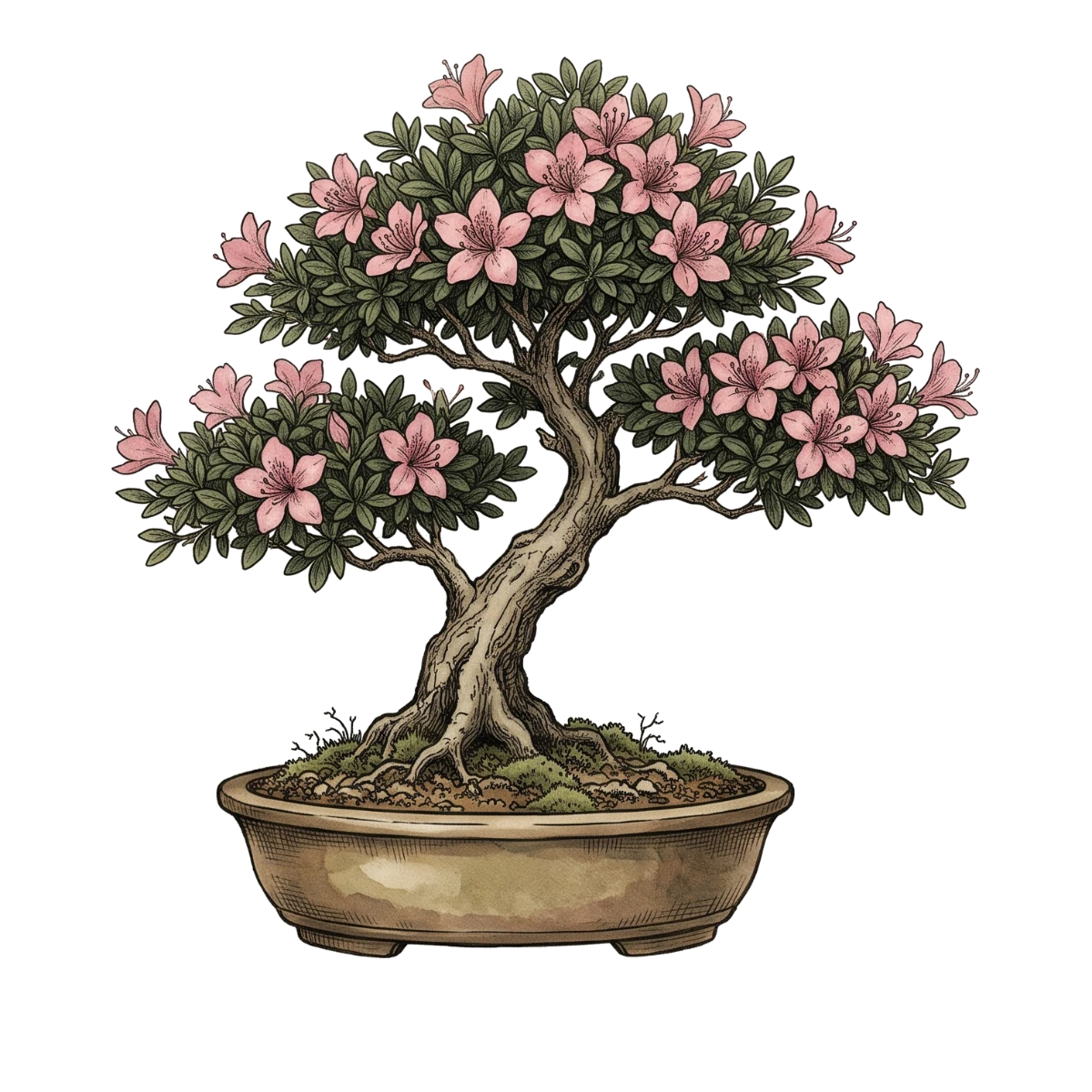
Rhododendron indicum
It is the satsuki azalea, named after the fifth month of the old Japanese calendar, when it flowers.
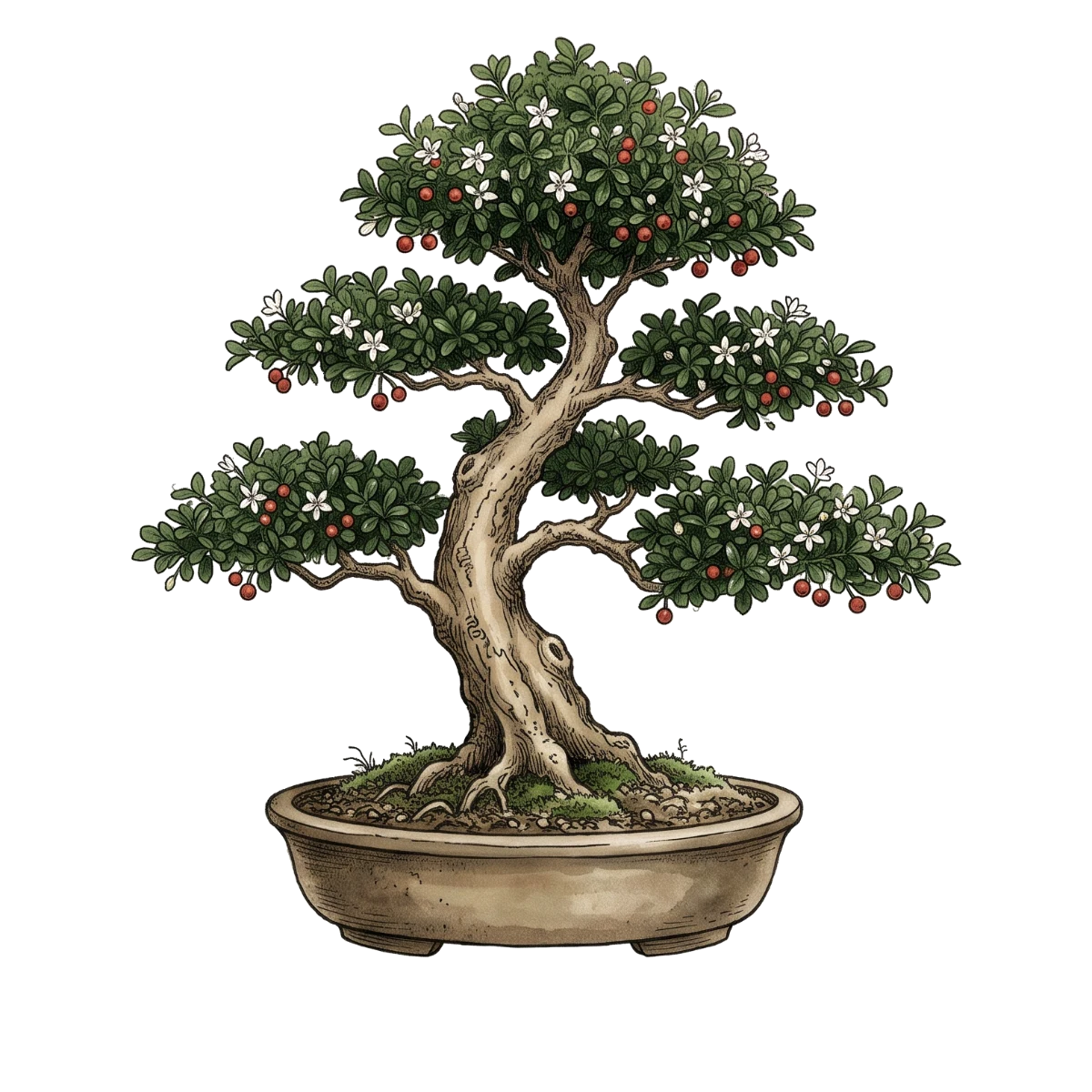
Ehretia microphylla
It takes its name from the Chinese province of Fujian (Fukien). In China it is highly prized for penjing, the art from which bonsai was born.
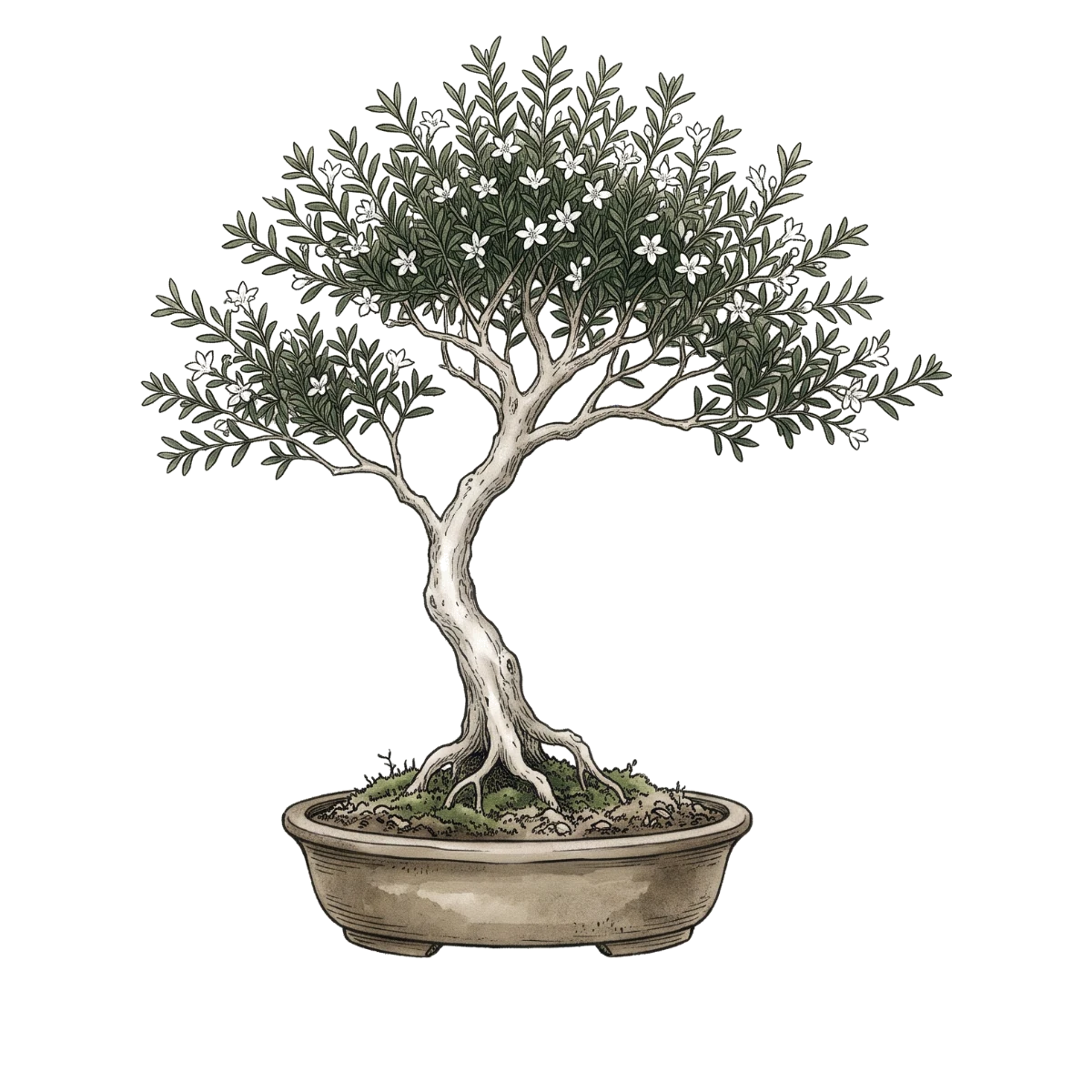
Serissa japonica
When its roots or bark are cut it gives off a bad smell: hence its old name, foetida, «foul-smelling».
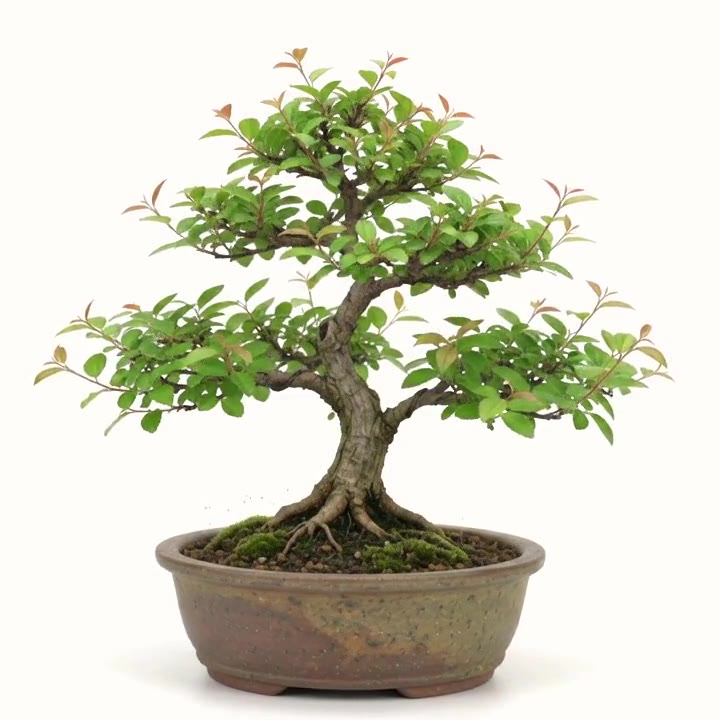
Sageretia theezans
Its name, theezans, means «tea-like»: in southern China its leaves were brewed as a tea. The bark flakes off in plates, revealing lighter, reddish tones.
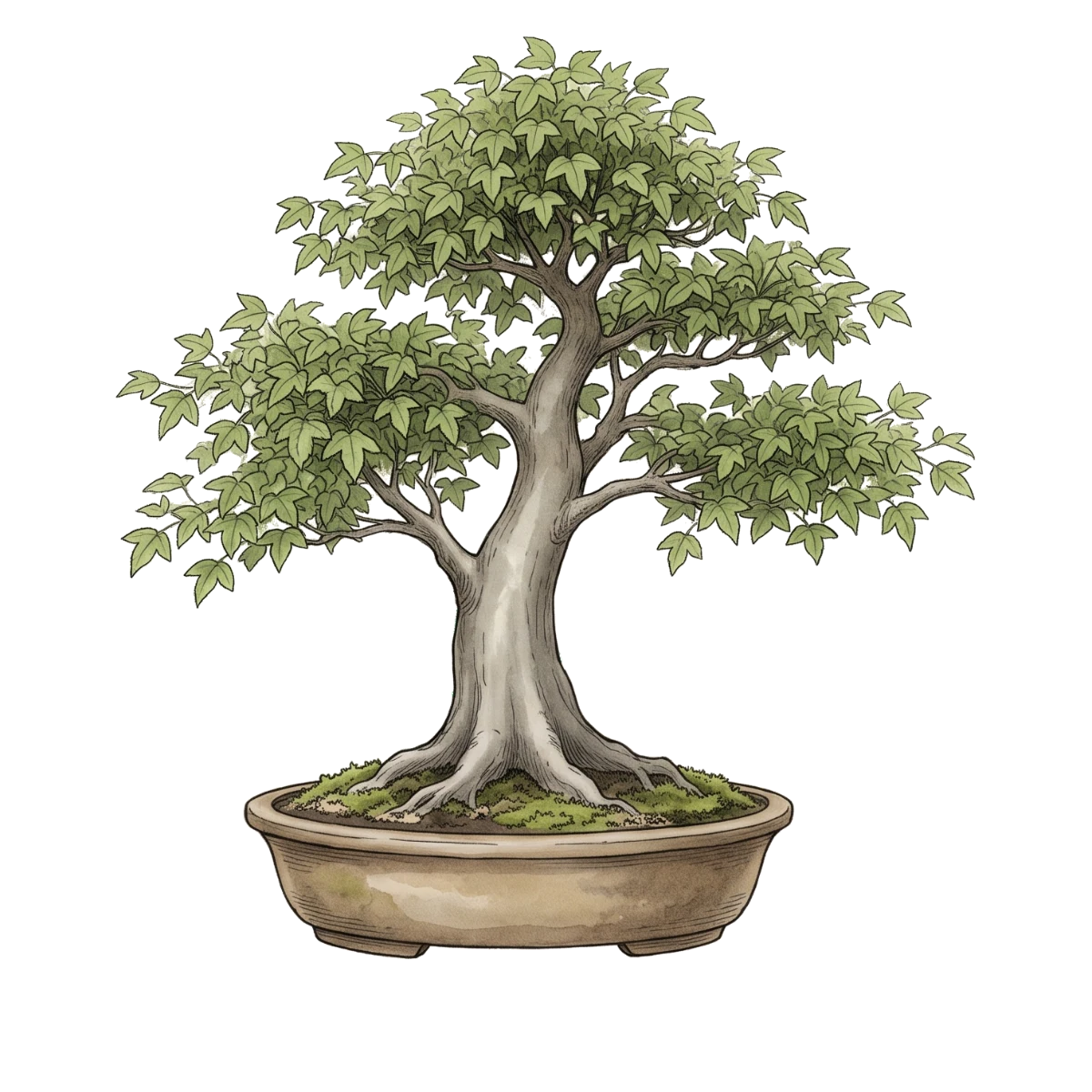
Acer buergerianum
It is called trident for its three-lobed leaves.
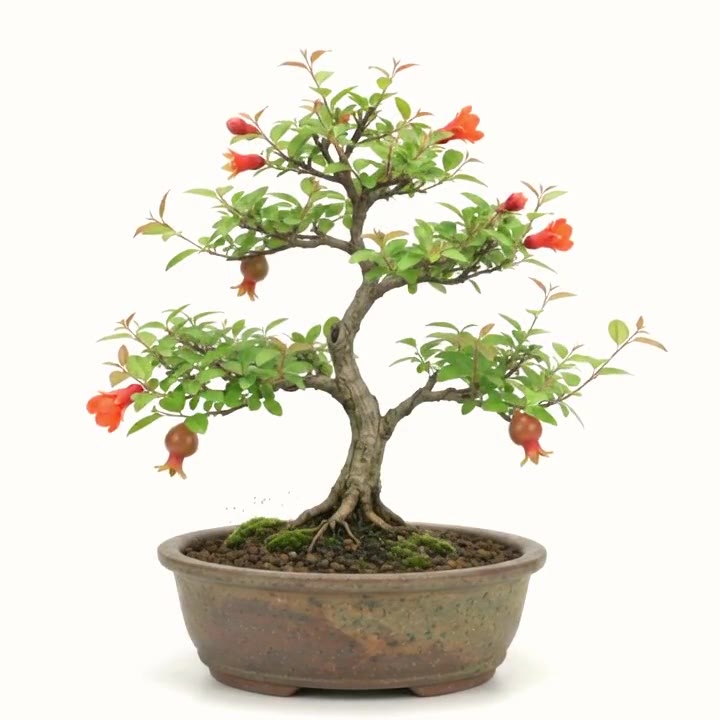
Punica granatum
It comes from the Iranian plateau and has been cultivated for some 5,000 years.
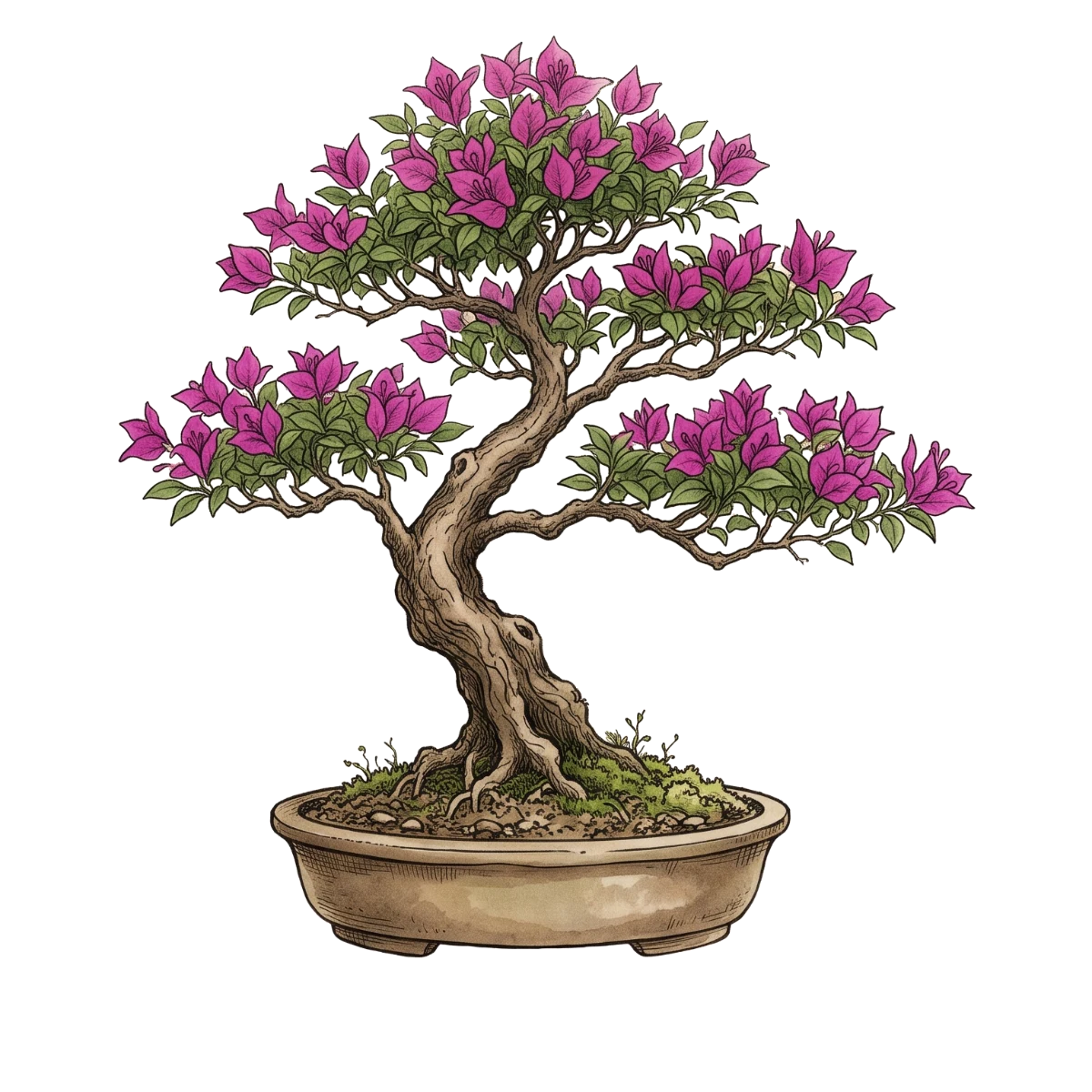
Bougainvillea glabra
It comes from Brazil. Its colour isn’t in the flower: it comes from three modified leaves, thin as paper, pink or purple.
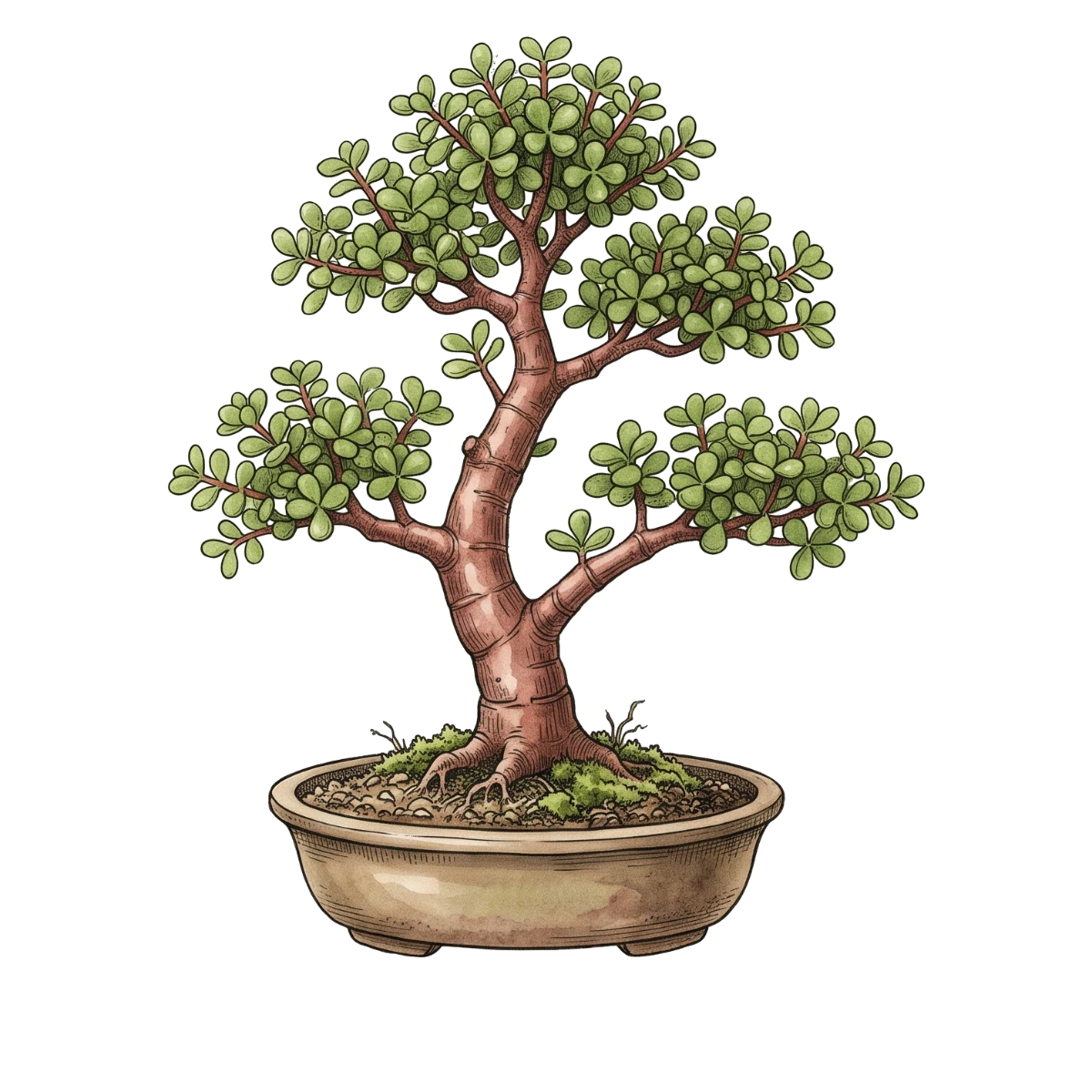
Portulacaria afra
It is a South African succulent that stores water in its leaves and stems.
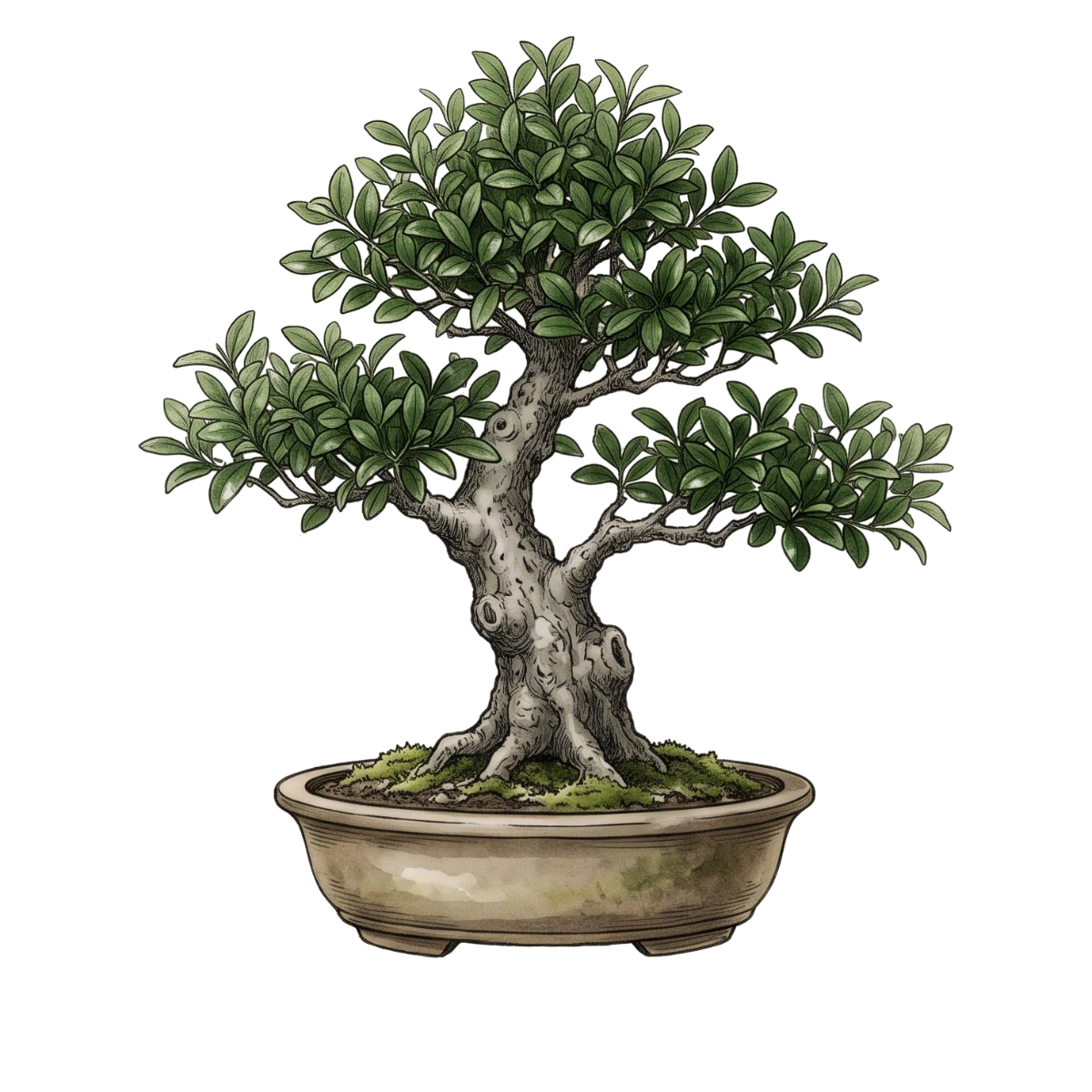
Ligustrum sp.
It is related to the olive and the ash. In southern China privet bonsai stand at the door of almost every house. It is one of the most rewarding species to start with.
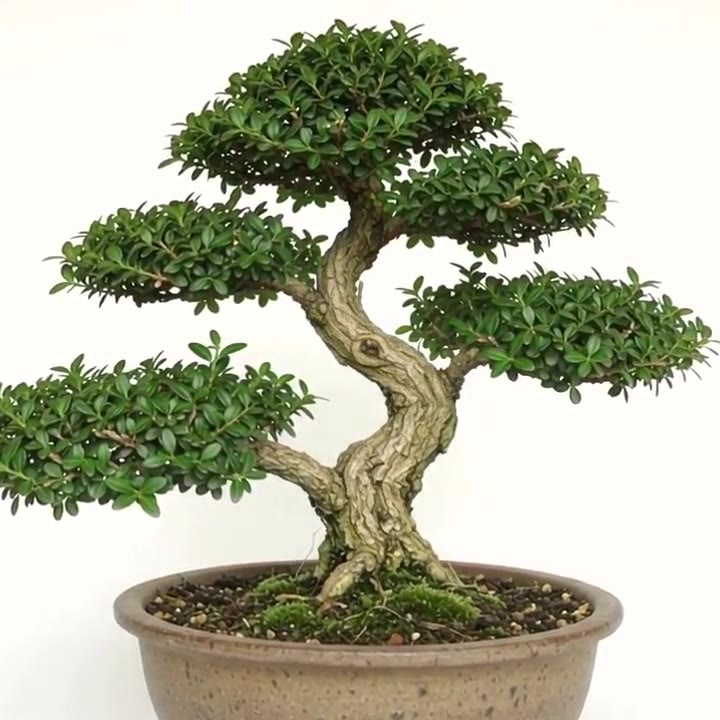
Buxus sempervirens
It is native to Europe and grows wild on the limestone hills of northern and eastern Spain. It grows very slowly and its wood is hard with an extremely fine grain.
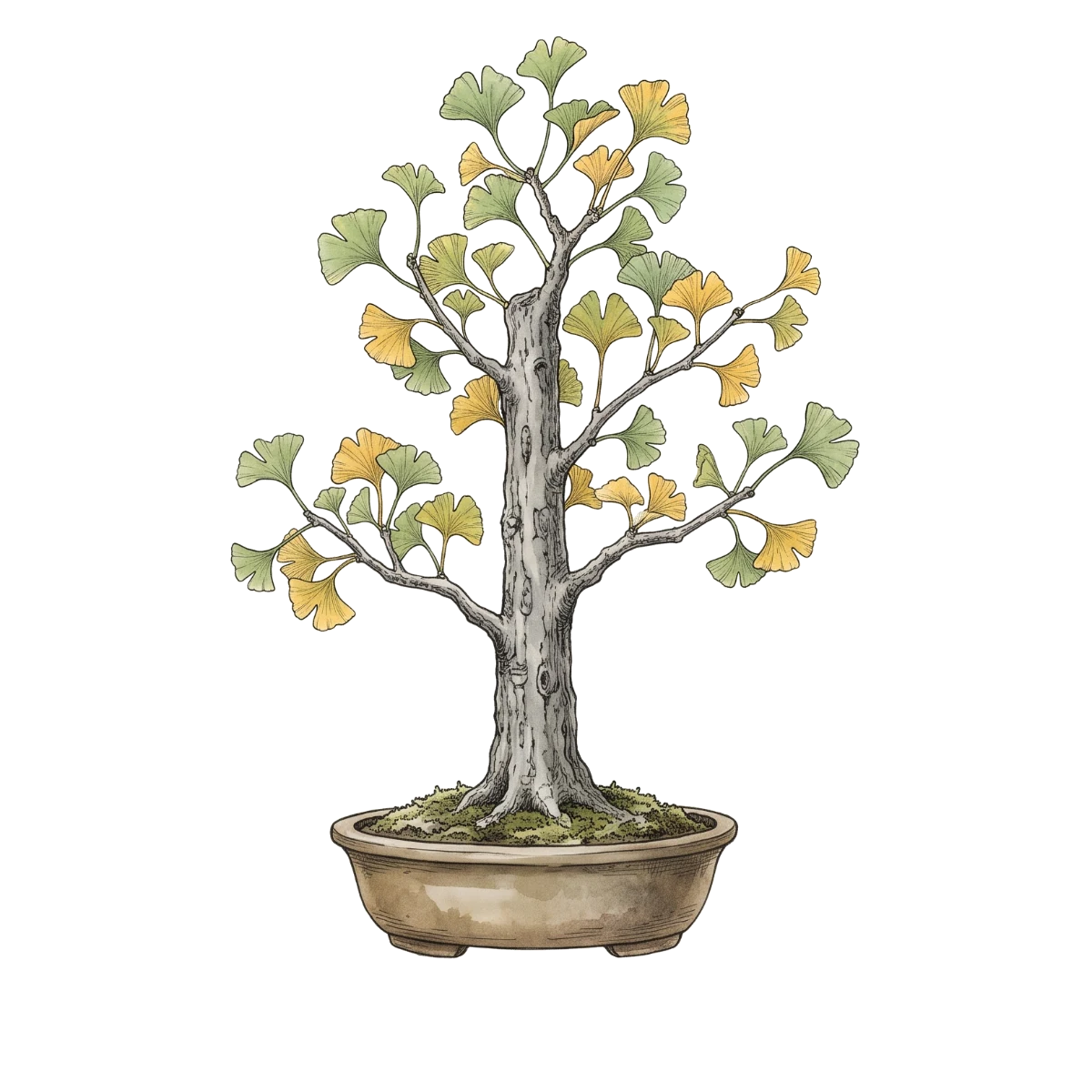
Ginkgo biloba
It is a living fossil: the last of a group of trees that already existed more than 200 million years ago.
Wisteria floribunda
It is the Japanese wisteria, with longer clusters than the Chinese one.
Prunus serrulata
It is the sakura tree. Every spring the Japanese go out to admire its blossom, hanami, which lasts only a few days and symbolises the fleeting nature of beauty.
Prunus mume
It flowers in late winter, when almost nothing else does, with very fragrant blossoms.
Malus domestica
The cultivated apple descends from a wild apple of the mountains of Kazakhstan. In bonsai, ornamental crab apples are mostly used, with abundant flowers and tiny apples.
Ficus carica
It was one of the first fruit trees humans grew. Its flowers grow hidden inside the fig; in wild fig trees, a tiny wasp crawls in to pollinate them.
Quercus ilex
It is the tree of the dehesa and the Mediterranean scrubland.
Myrtus communis
It is a Mediterranean scrubland shrub, sacred to Aphrodite in antiquity.
Pistacia lentiscus
It is a Mediterranean scrubland shrub, related to the pistachio. Its resin gives mastic, which has been chewed on the Greek island of Chios since antiquity.
Salvia rosmarinus
Since 2017 botanists have placed it in the sage genus, so its scientific name is Salvia rosmarinus. Its old Latin name means «dew of the sea»: it grows along coasts.
Pinus halepensis
It is the most widespread pine in the Mediterranean. Some of its cones only open with the heat of a fire, so it sows the burnt ground before anything else.
Taxus baccata
It can live for more than a thousand years, and there are revered yews beside churches all over Europe.
Pinus densiflora
For its reddish bark and light, sinuous form, in Japan it is called the queen of bonsai.
Cotoneaster sp.
There are some two hundred species, from creeping shrubs to small trees. Its flowers attract bees and its red berries feed birds in winter.
Pyracantha sp.
It is called firethorn for its red, orange or yellow berries, which last from September to March, and for its thorns. It is used in defensive hedges.
Pseudocydonia sinensis
Its bark flakes off in plates, leaving a mosaic of greys, greens and oranges. In autumn it bears large, fragrant quinces, used in China in medicine and sweets.
Lagerstroemia indica
In Japanese it is called sarusuberi, «the monkey slips», because its bark is so smooth that not even a monkey could climb it. It flowers in high summer, when few trees do.
Camellia japonica
In Japan it is called tsubaki and it flowers in midwinter, when the garden is at its emptiest.
Fagus crenata
It is the beech of Japan’s mountain forests, the buna.
Carpinus betulus
It is the hedge tree: it takes constant clipping and keeps on sprouting.
Diospyros kaki
It has been grown in China for thousands of years. Many varieties bear fruit without pollination, and without seeds.
Elaeagnus sp.
Its leaves have silvery undersides, covered in tiny scales that shine in the sun. It withstands wind and sea salt, so it is planted in coastal hedges. Its fruits are edible.
Cryptomeria japonica
It is the sugi, Japan’s national tree. It lines the avenues of many shrines, and some specimens are over a thousand years old.
Chamaecyparis obtusa
In Japan its pale, fragrant wood is reserved for temples, shrines and traditional bathtubs. It is a sacred tree in Shinto.
Picea jezoensis
It is the spruce of Hokkaidō, Japan’s coldest island. Old, twisted specimens are collected in its mountains to make bonsai; it is one of the great Japanese classics.
Larix kaempferi
It is a conifer that drops its needles in winter, after turning them gold in autumn.
Podocarpus sp.
It is called Buddhist pine because it is planted at temples in China and Japan, although it isn’t a pine. Its seeds sit on a fleshy base that ripens red or purple.
Heptapleurum arboricola
Although it is called the «Hawaiian umbrella», it comes from Taiwan and southern China.
Crassula ovata
It is a South African succulent that stores water in its leaves, branches and trunk.
Zelkova serrata
It is the Japanese keyaki, related to elms and the classic model for the broom style.
Murraya paniculata
It is related to orange trees, and its white flowers smell of orange blossom. In its native regions it is planted as a hedge, because it regrows quickly after pruning.
Quercus suber
It is the cork tree. Its bark is stripped every nine years without harming the tree, which grows it back. Spain and Portugal produce most of the world’s cork.
Celtis australis
It is the tree of village squares. Its little fruits were eaten as a treat. According to legend, Odysseus’s companions forgot their homeland after tasting them.
Juniperus phoenicea
It is the juniper of cliffs and high plateaus. Some specimens twisted by the wind are hundreds of years old.
Juniperus oxycedrus
Its distilled wood gives cade oil, a traditional shepherds’ remedy for livestock. Its needles have two white stripes and are very prickly.
Crataegus monogyna
It is the hawthorn of hedges and field edges. It flowers in May, covering itself in white blossom; in autumn, in red berries that feed the birds.
Prunus spinosa
Its fruit, sloes, are used to make pacharán, a liqueur from Navarre. It flowers white in late winter, before its leaves appear, on almost black branches.
Acer monspessulanum
It is the maple of dry Mediterranean land, with small, tough three-lobed leaves. It withstands drought like no other maple and turns yellow and red in autumn.
Phillyrea angustifolia
It is a Mediterranean scrubland shrub often mistaken for the wild olive, to which it is related. Its fruits are smaller and bluish.
Pinus sylvestris
It is the most widespread pine in the world, from Sierra Nevada to Siberia. It is recognised by the orange bark on the upper trunk.
Your bonsai